Anglesey Wine Club: December
Friday 12th DEC ‘25
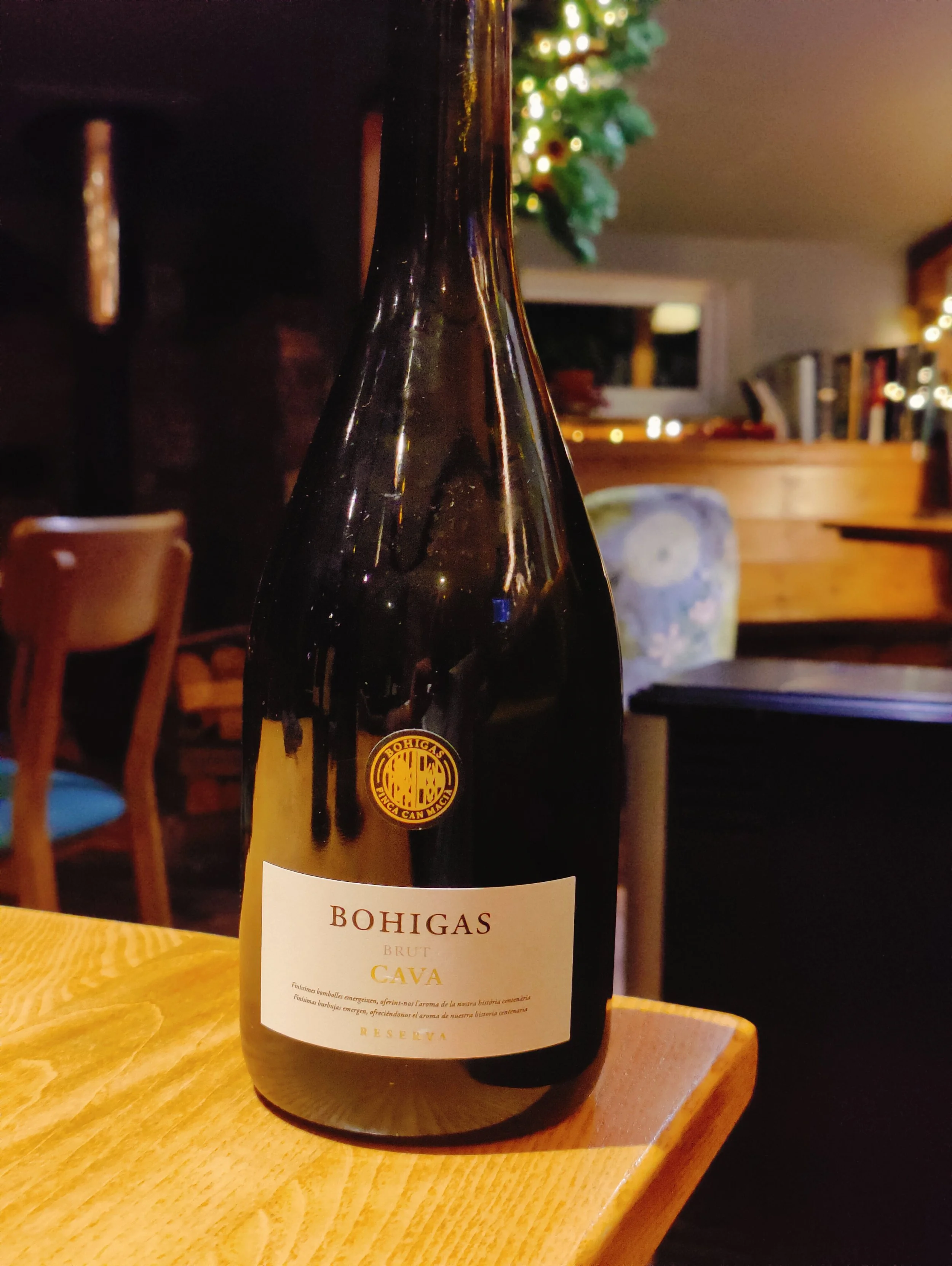
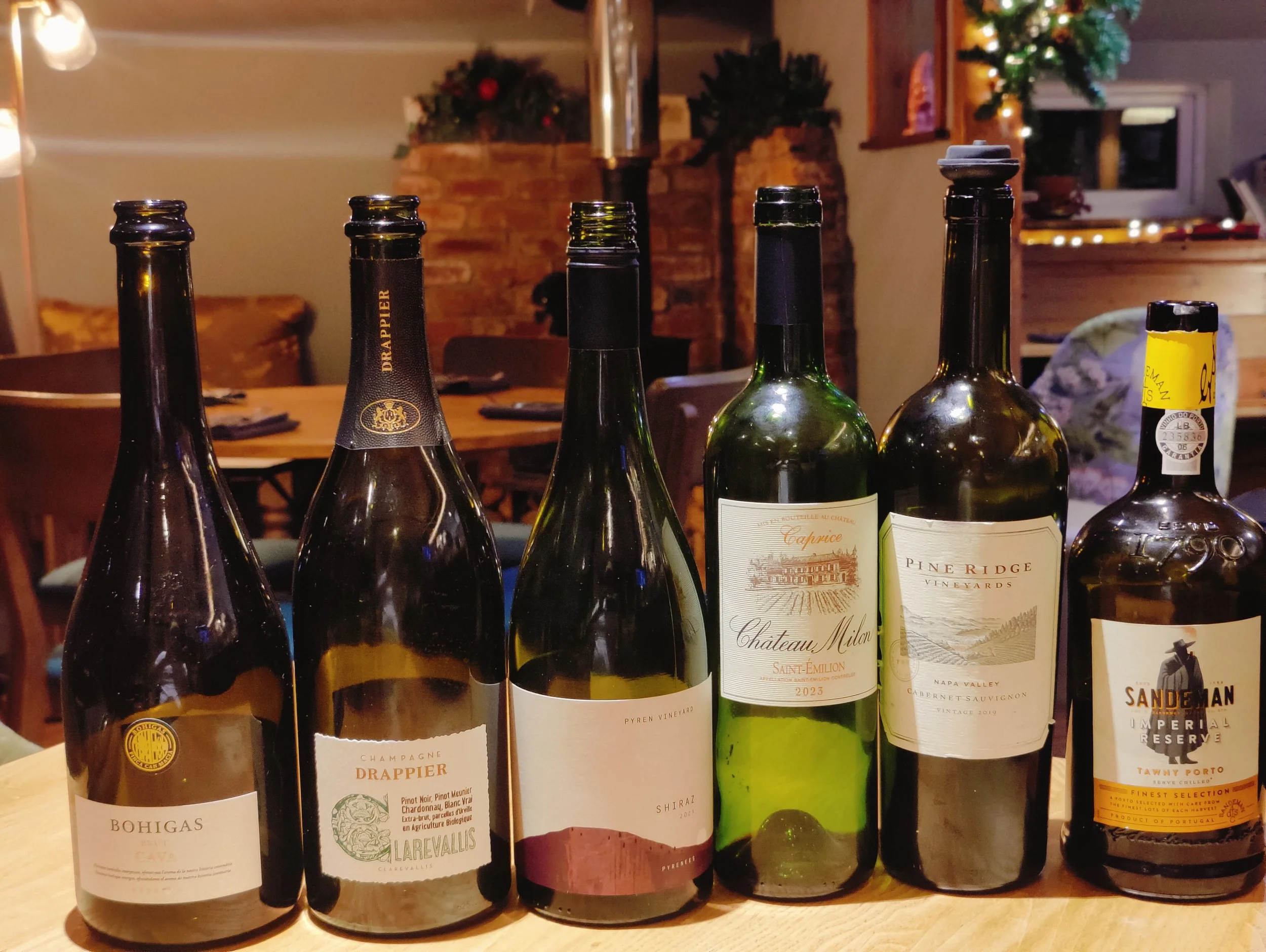
We began the session with the Bohigas Cava Reserva, which sparked a fascinating discussion on the production of sparkling wine, specifically the Méthode Champenoise (or Traditional Method) that uses two fermentations, the process also employed for Cava.
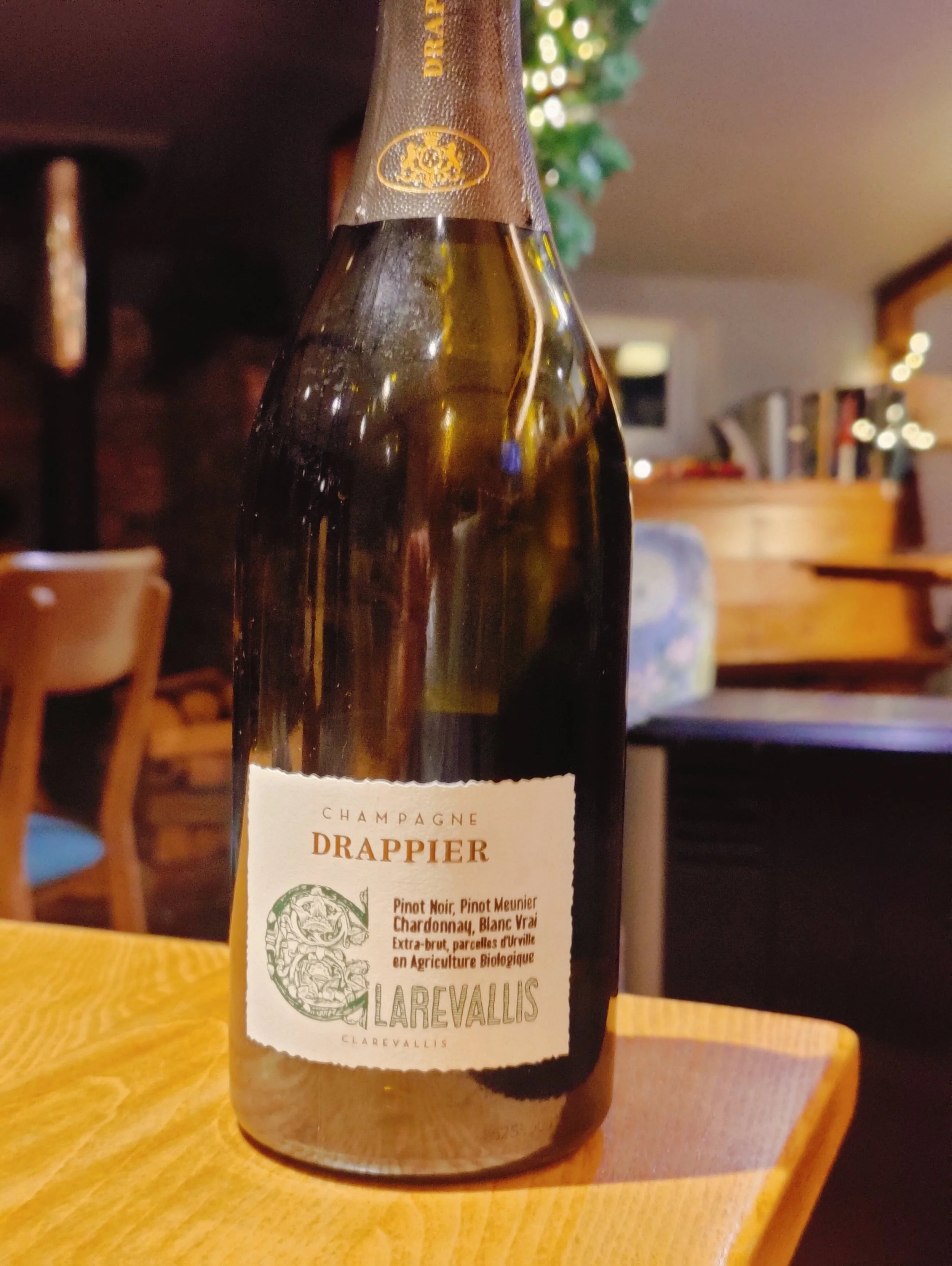
Next, we moved to the organic Drappier Clarevallis Champagne. This led to a conversation about Champagne production—notably how this white wine often uses a majority of red grapes, and the maceration process that is avoided to keep the wine clear.
We took a well-deserved break to savour the delicious curry that Kieran and Ellis had made. Judging by the look on everyone's faces, the meal was thoroughly enjoyed!
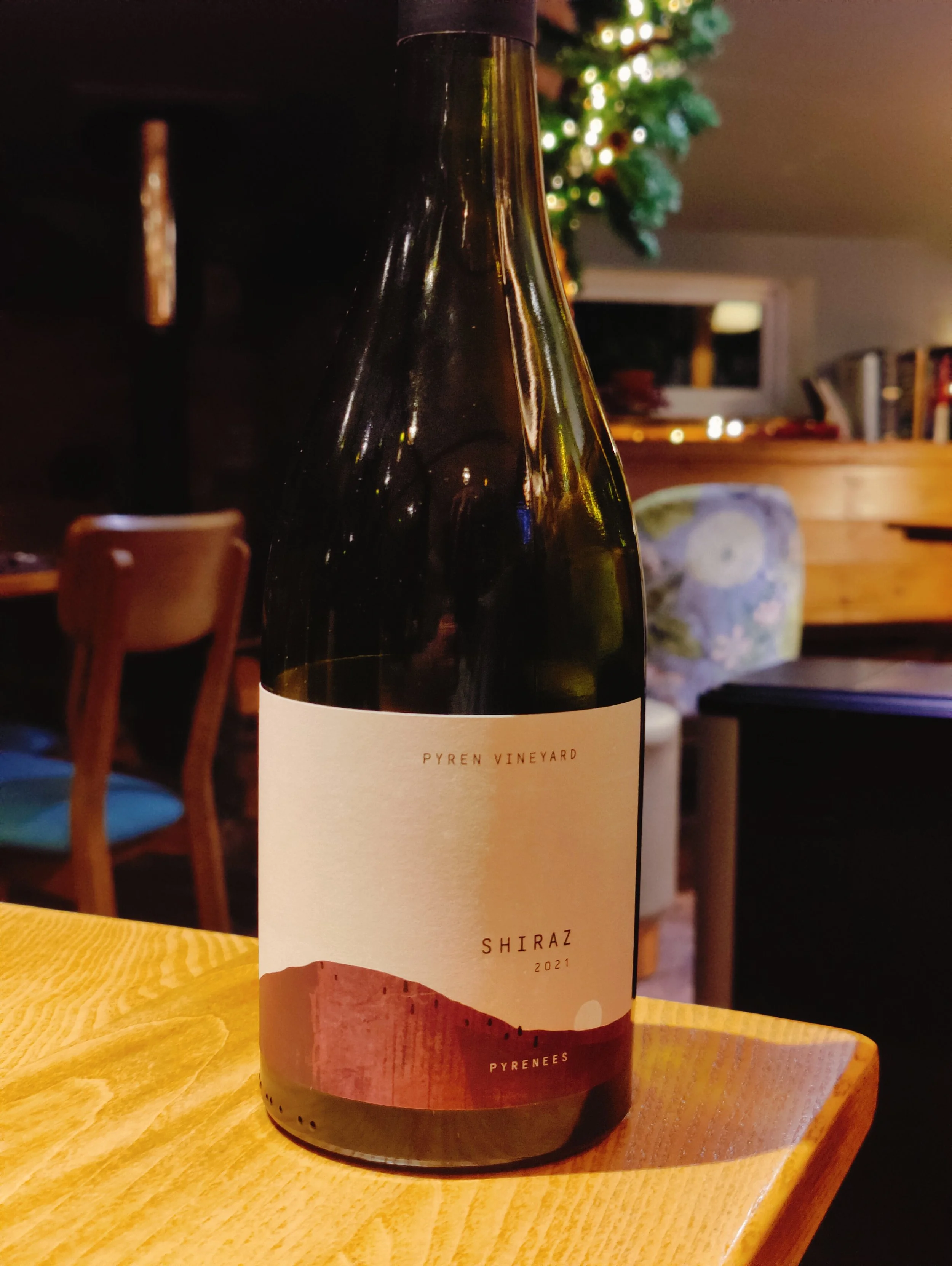
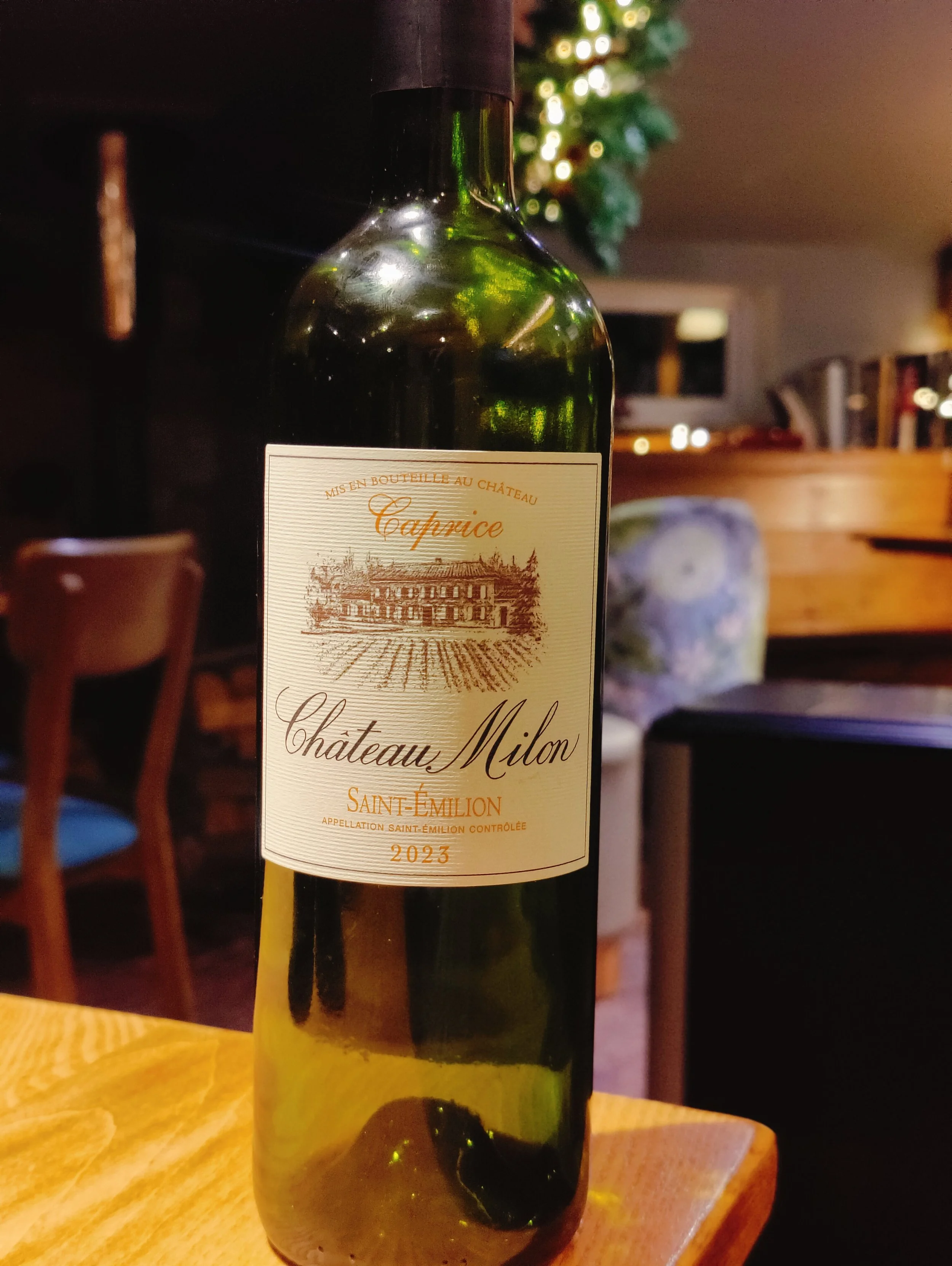
We got back on track by tasting the Australian Pyren Vineyard Shiraz 2021, followed by the French Château Milon Saint-Émilion 2023. Here, we discussed French appellations, their rules, and their deep-rooted traditions. We highlighted that French wines often omit grape varieties on the front label because their system emphasises place (Appellation/Region) over grape, a tradition rooted in the terroir dictating the optimal varieties (e.g., Pinot Noir in Burgundy or Merlot/Cabernet Franc in Bordeaux).
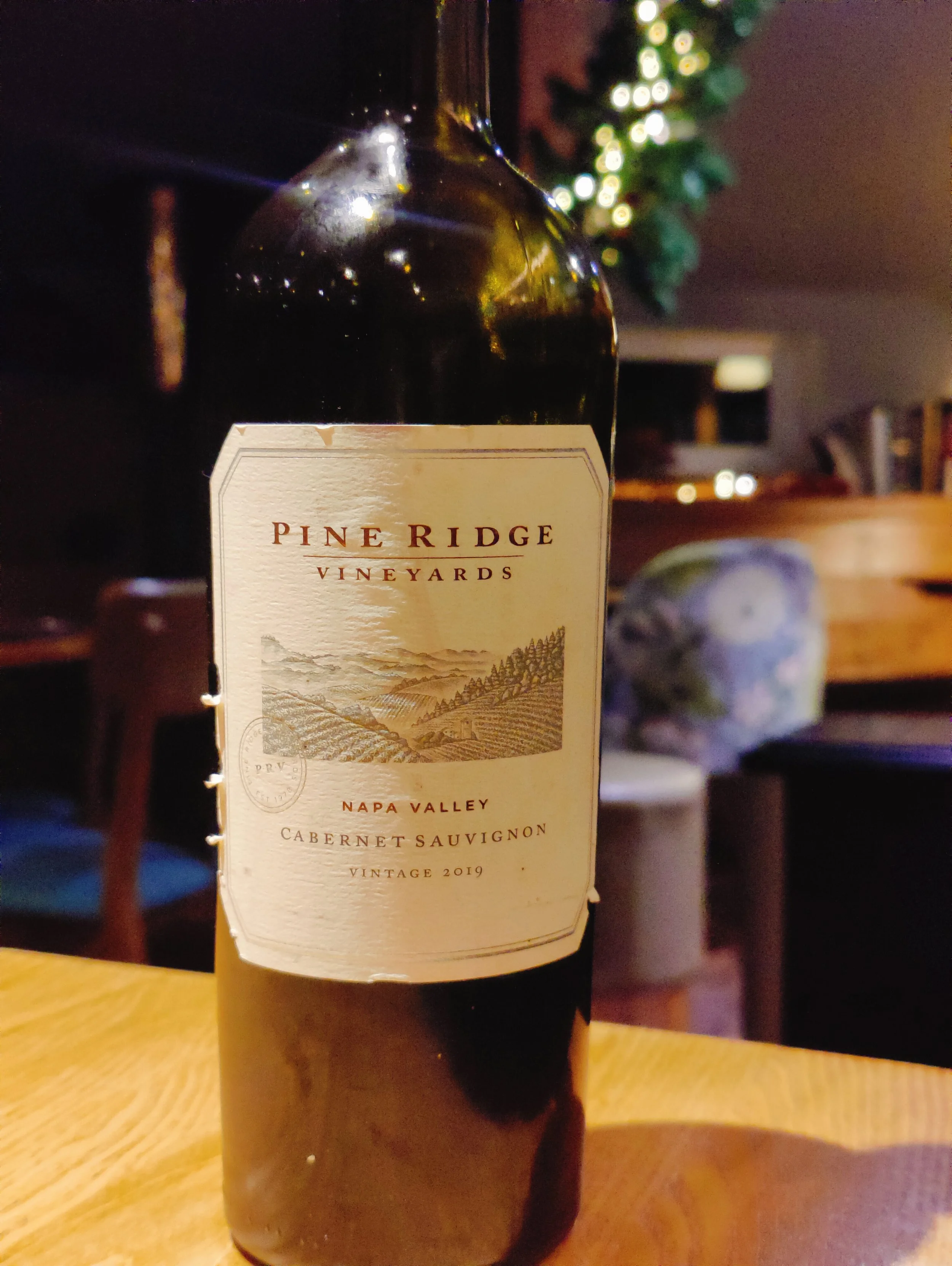
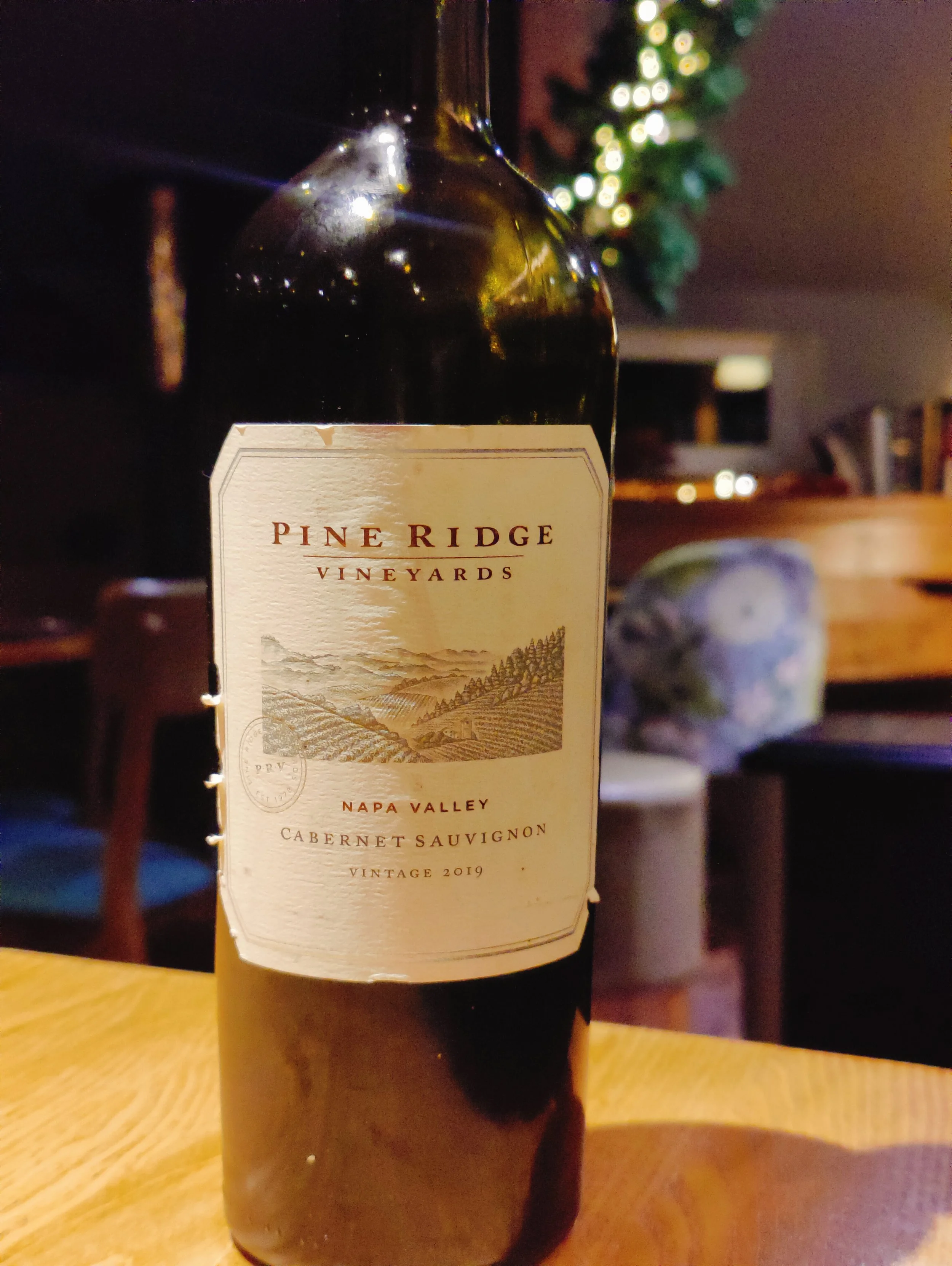
Our next stop was Napa Valley with the Pine Ridge Cabernet Sauvignon 2019, a well-balanced wine matured in a mix of American and French oak barrels.
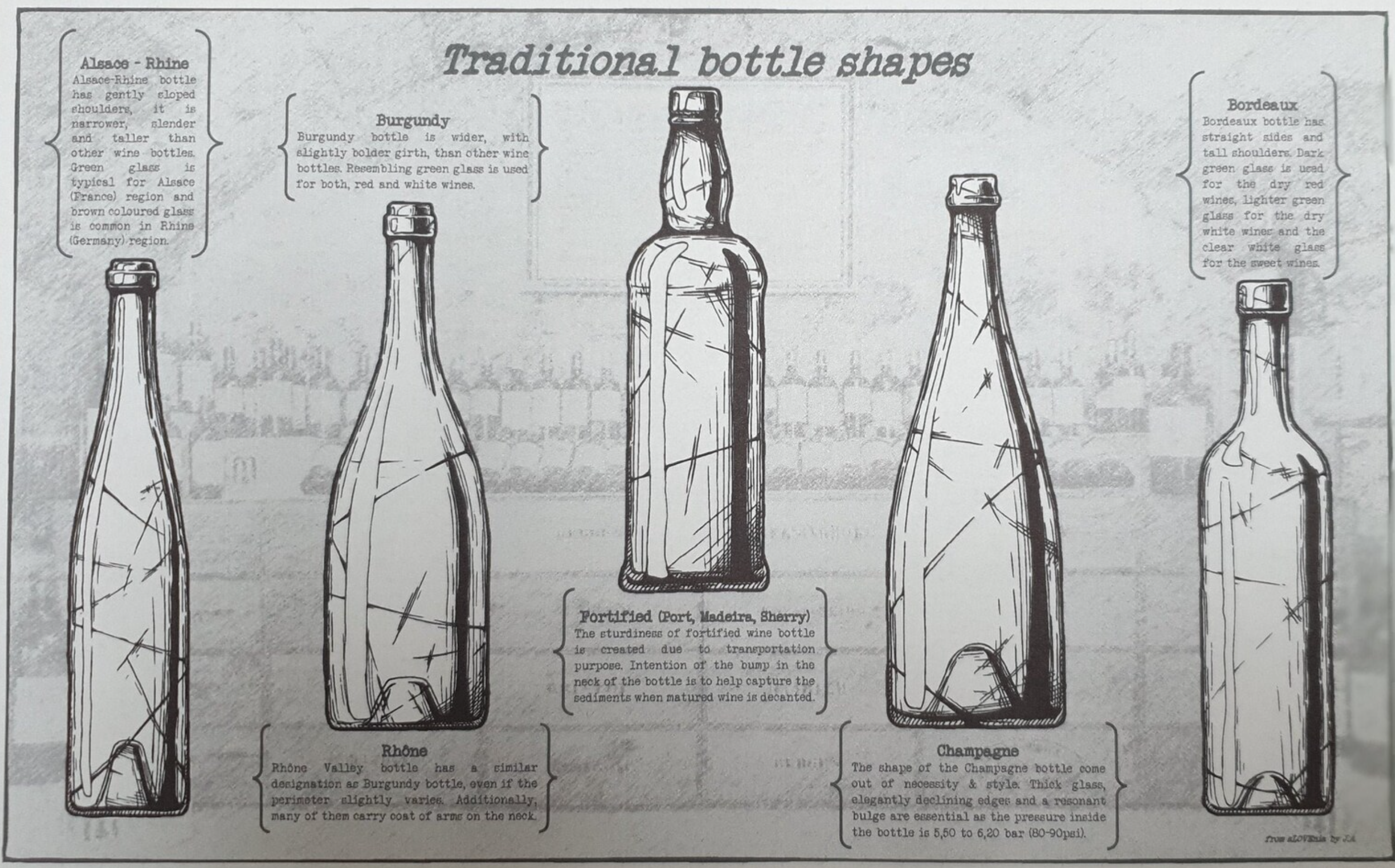
The evening's discussion then shifted to a great question: Is the shape of the bottle important or related to the grape variety?
The short answer is that wine bottle shapes are primarily the result of historic, regional glassblowing traditions rather than any impact on wine quality. However, recognising these standardised shapes offers a practical clue to the style of wine within:
Bordeaux: Cylindrical body with high, straight shoulders designed to catch sediment. Used for Bordeaux blends (Cabernet Sauvignon/Merlot) and the majority of wines worldwide.
Burgundy: Features a longer neck and distinctive gently sloping shoulders. Traditionally houses fine Pinot Noir and Chardonnay.
Alsace (Germanic): A taller, thinner bottle with sloping shoulders, commonly used for Riesling.
Champagne: Physically heavier and thicker than other bottles to withstand the immense internal pressure generated during the secondary fermentation of sparkling wines (like Cava and Champagne).
Port (Fortified): Similar to Bordeaux but includes a small bulb or ring in the neck specifically designed to trap sediment when pouring fortified wines.
Provence: A newer, decorative shape resembling an hourglass, now highly recognisable for the popular rosé wines from the Côtes de Provence region.
Many thanks to all participants, and I'm looking forward to seeing you all at our next sessions every second Friday of the month. The next wine tasting will be on the 9th of January.
The Wines:
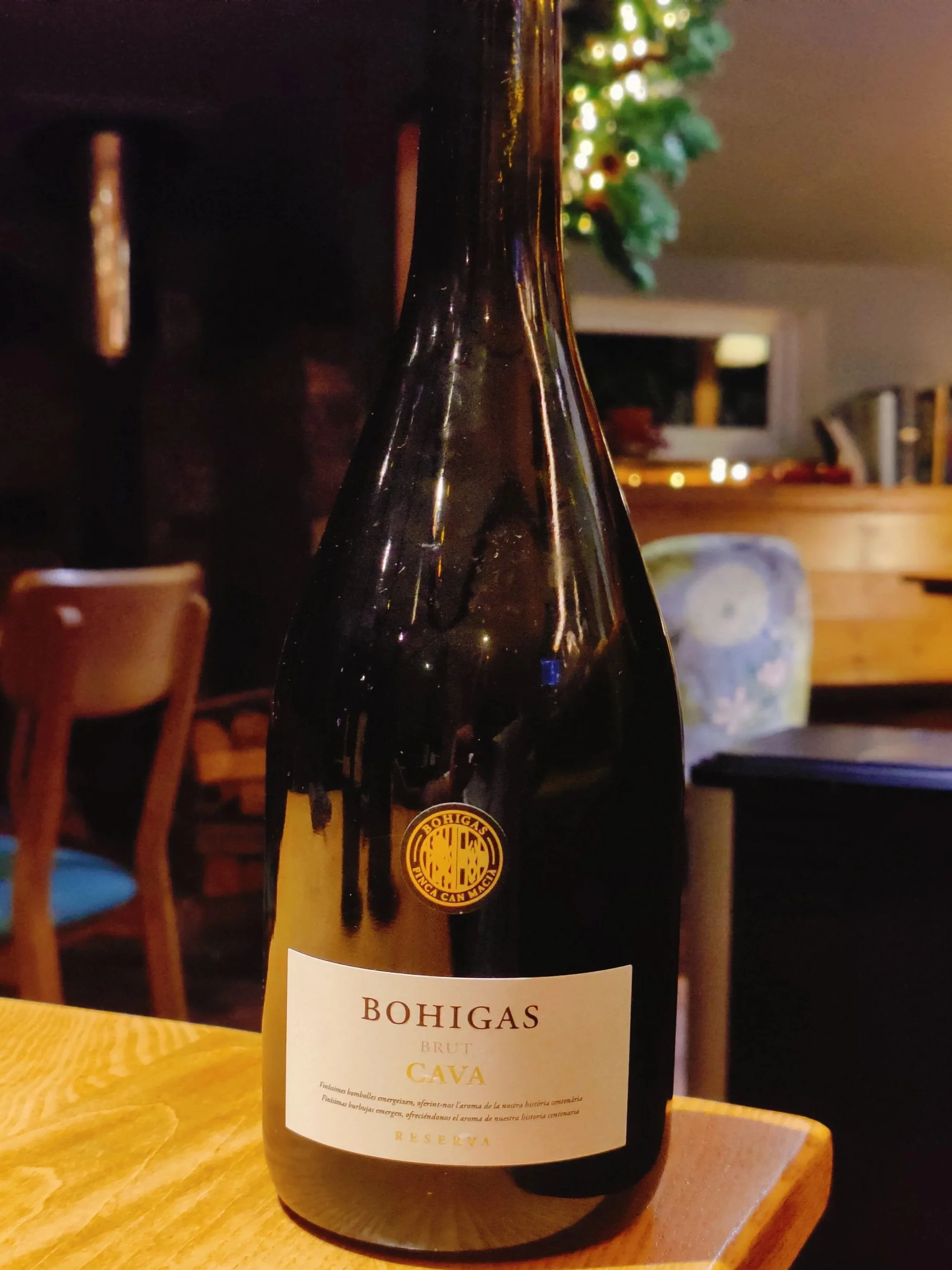
The Wine: Bohigas Cava Reserva
A beautifully balanced sparkling wine. It offers upfront aromas of crisp apple, pear, and bright citrus, supported by subtle complexity from aging, with notes of cinnamon and biscuit. The palate is structured and creamy, delivering ripe stone fruit, bright acidity, and a long, textural finish.
The Vinery
Bohigas Cava is crafted using the Traditional Method from grapes grown in the clay-limestone soils of the Can Macià estate (35ha). The site's Mediterranean-Continental climate and low rainfall naturally stress the low-yielding vines, resulting in grapes with high acidity and slow, complete ripening—ideal for high-quality Cava base wine. Grapes are night-harvested to maintain cool temperatures. The Brut Reserva undergoes a minimum of 18 months of aging on the lees before release (dosage is 6g/l).
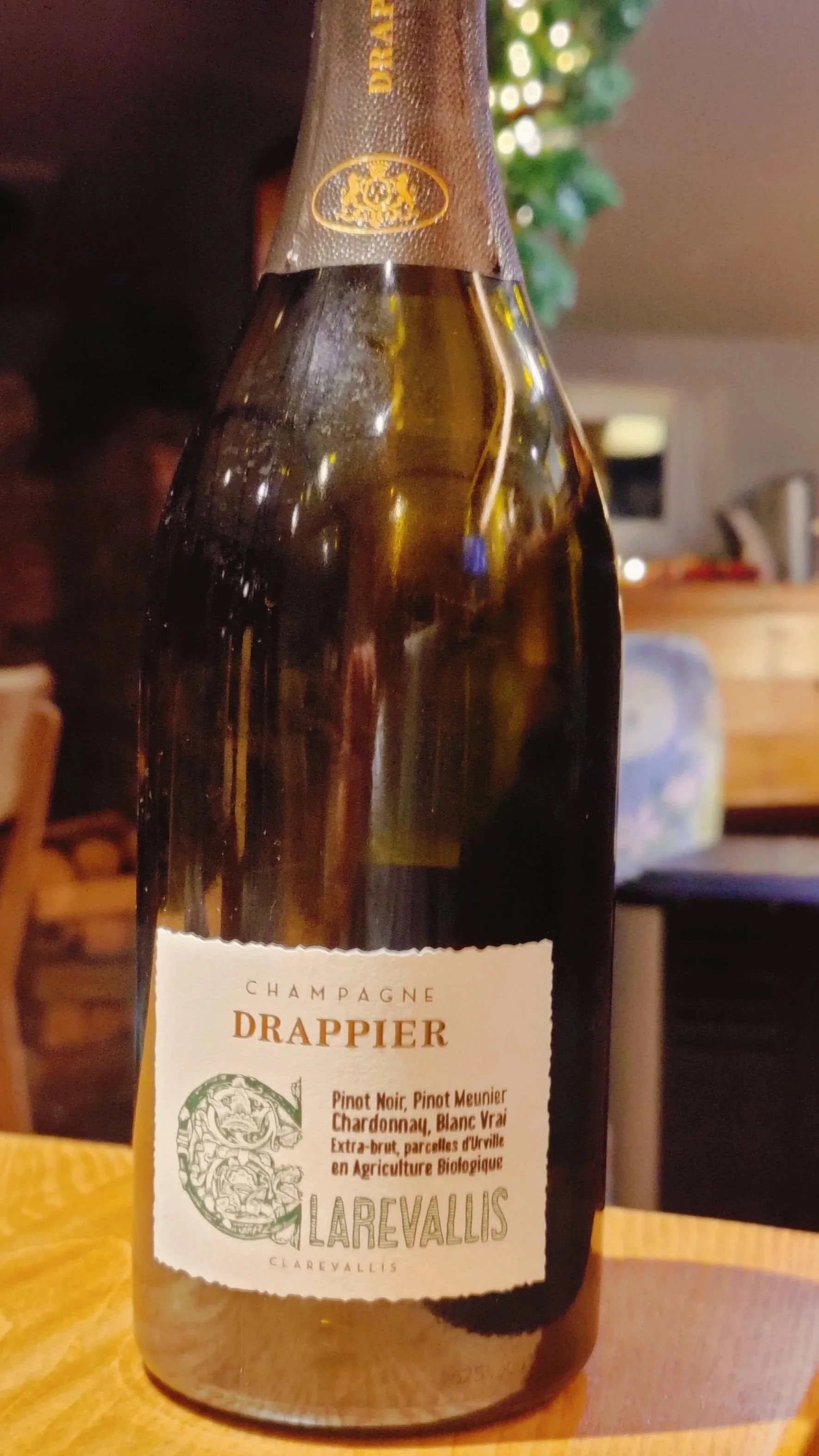
2. The Wine:Drappier Clarevallis
A golden grey colour, very fine,persistent bubbles. Elderberry and violet notes. The limestone minerality is softened by the pinot pulp. A harmonious balance between the discreet dosage and the lovely bitter flavors.
The Vinery
This Cuvee from Drappier is a tribute to the Abbey of Clairvoux, which is also owned by the Drappier family and was built in 1152. The vineyard is organically cultivated; with horses being used to plough the soil, which is Jurassic Kimmeridgian limestone dominant.
The champagne remains unfiltered and is produced exclusively after the 1st pressing of the grapes. Drappier's focus is on the sustainable production and is the first carbon-neutral producer in the region of Champagne. As it stands, 15 of their hectares are certified organic.
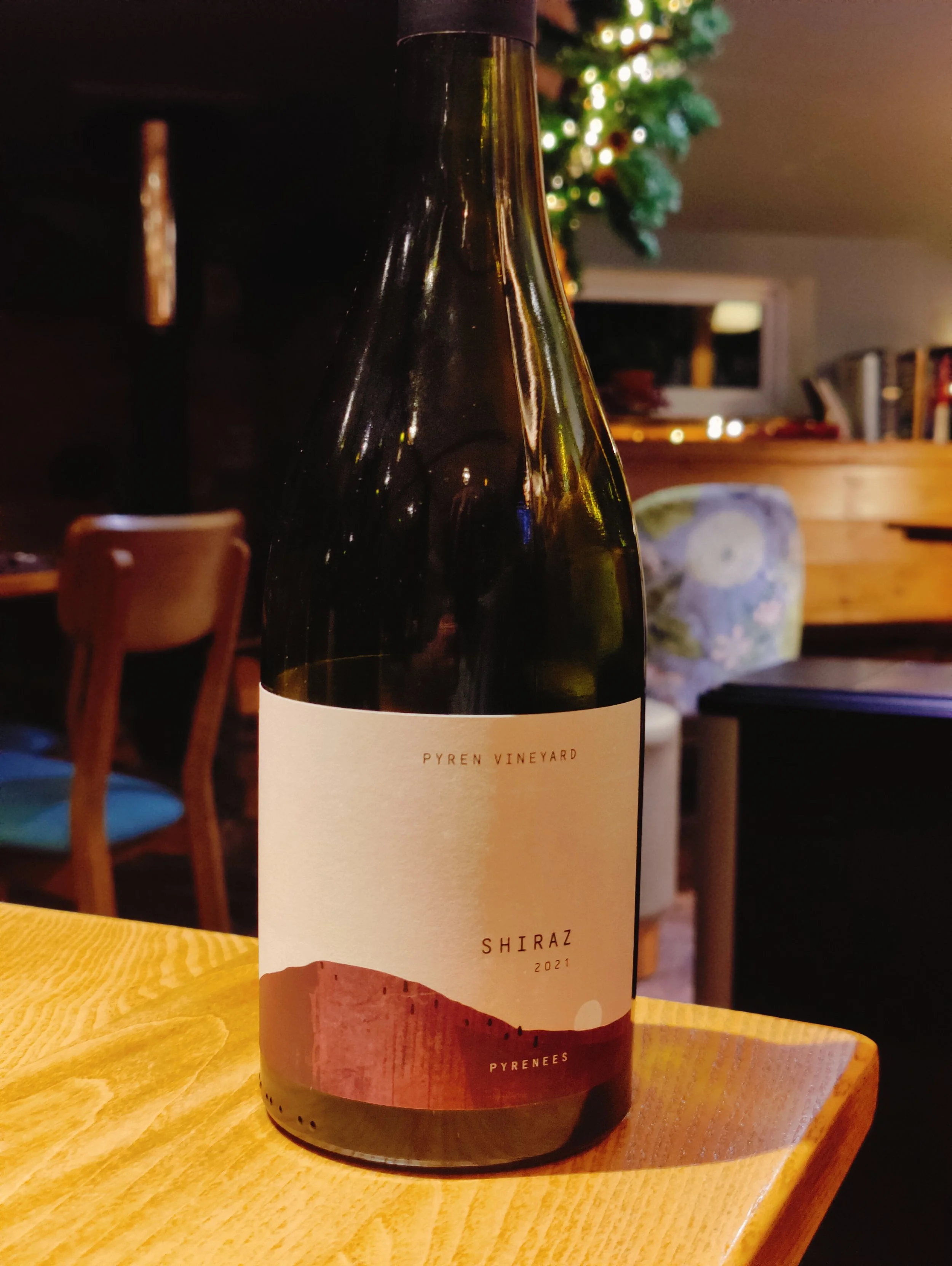
3. The Wine:
Cherry plum flavours with a Smokey cedar note & hints of mint at first but as the wine opens up it becomes a bit more complex with roasted nut & woodsy sop ice coming through. A fresh and elegant cool climate Shiraz.
The Vinery
Brothers Brian and Kevyn Joy planted Pyren Vineyard in 1999, surrounded by state forest and farmland.The vines, approaching 25 years in the ground, are producing better fruit than ever before, through a combination of maturity and evolving best practise in the vineyard and winery. The use of organic farming methods (though uncertified) and minimal intervention winemaking techniques underscores their dedication to preserving the natural integrity of the wines.
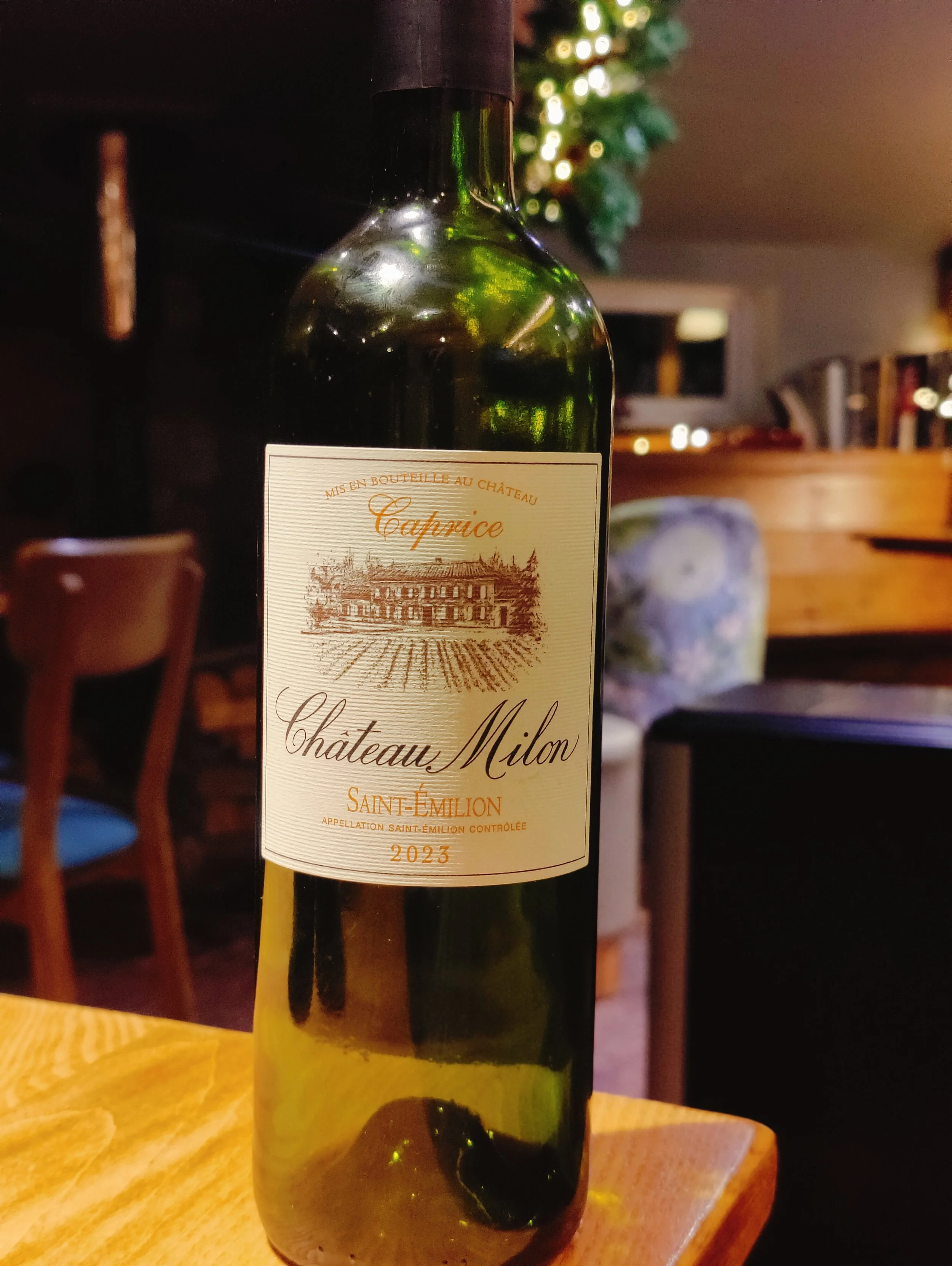
4. The Wine:
Intense, cigar box and ripe spiced fruit on the nose, a full-bodied, Saint-Émilion. Properly structured but with plush red fruits and a touch of leather and cedar with fine grained lingering tannins that last right through to the long finish.
The Vinery
Château Milon is sourced from two hectares of 25–30-year-old vines, split between sand/iron-rich sandstone soils near Saint Christophe des Bardes and gravel soils in Saint Sulpice. The high-density planting (6,600–9,000 vines/ha) promotes concentrated fruit. Following a mixed manual and machine harvest, the wine undergoes a cold maceration for aromatic enhancement, followed by thermoregulated fermentation and 2–3 weeks of post-fermentation maceration for optimum extraction. The wine is aged for 12–15 months exclusively in steel tanks.
5. The Wine:
As the wine pours, aromas of crushed blueberries and clean graphite leap from the glass. The mouthfeel is energetic and balanced; bright acidity and smooth, integrated tannins envelop rich flavors of cinnamon-dusted plum, uplifted by a trace of vanilla. The experience culminates in a long, layered finish where comforting notes of French press coffee, red berries, and coconut gently dissipate.
The Vinery
Founded in 1978 by Gary Andrus, the 80-hectare Pine Ridge estate began with a terraced vineyard in Stags Leap, the very area that inspired the name. Today, the estate spans five critical Napa Valley sub-zones—Stags Leap District, Rutherford, Carneros, Howell Mountain, and Oakville. This exceptional diversity gives winemaker Josh Widaman a wealth of blending options for crafting their stunning Napa Cabernet Sauvignon. All vineyards are sustainably managed to maximise the character and unique sense of place in every grape.
6. The Wine:
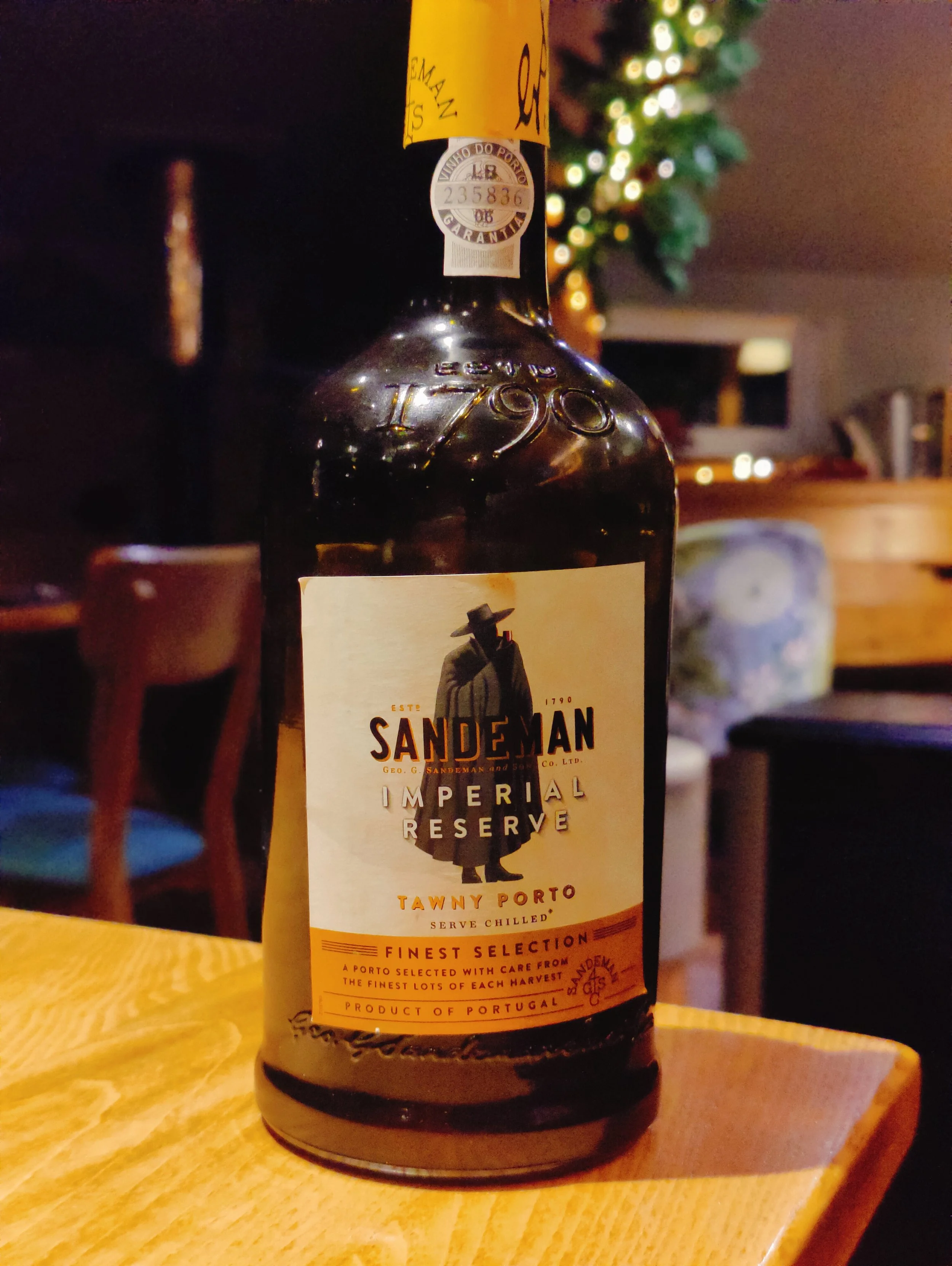
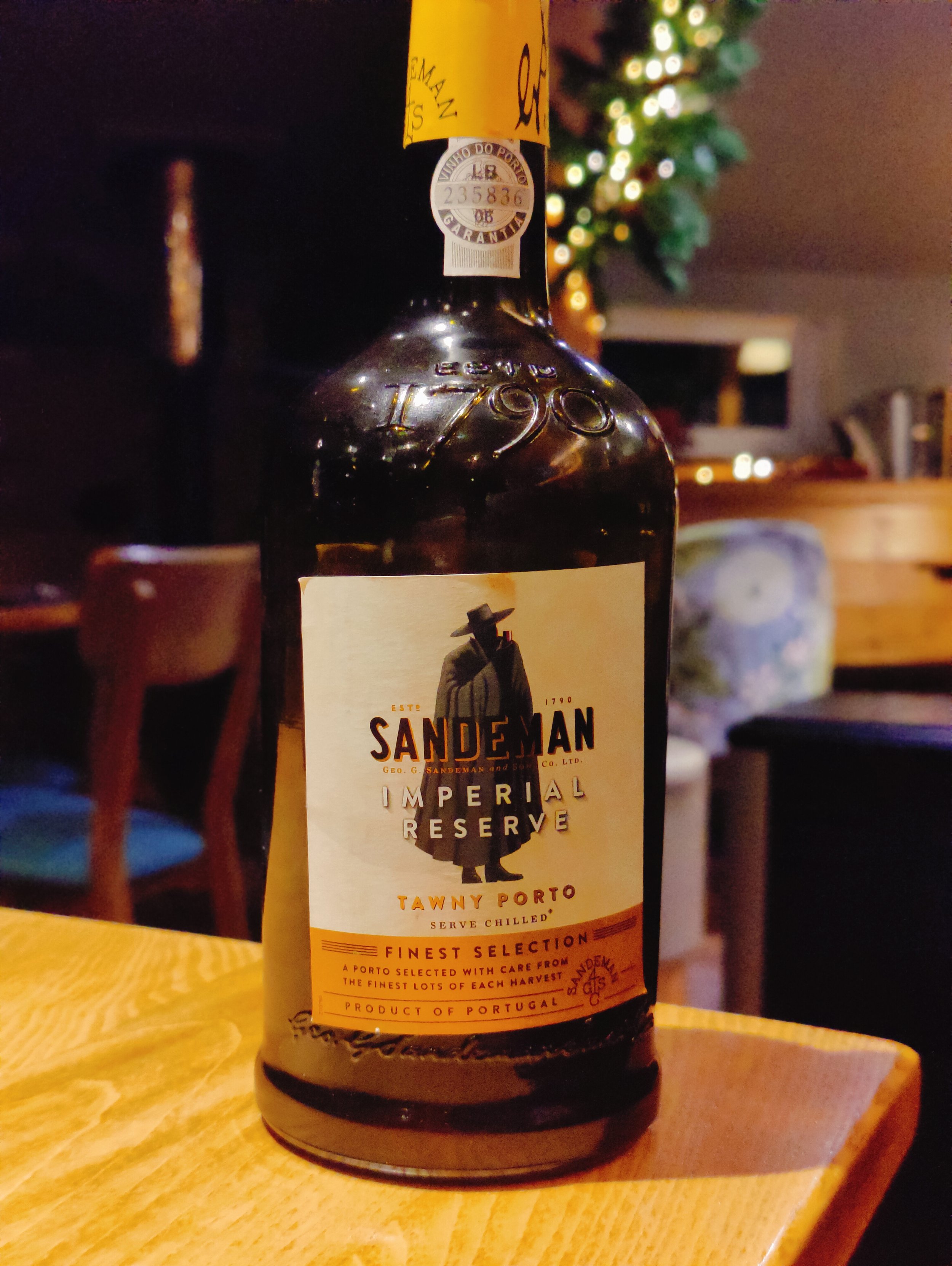
A brilliant red-amber colour precedes an intensely complex aroma of dried fruits and vanilla that remains both fresh and elegant. The texture is medium-full, coating the palate with multi-layered flavour that leads to a long finish. This Port expertly achieves a seamless equilibrium between the vibrancy of younger fruit and the richness of maturity.
The Vinery:
It all started in 1790…
… when the 25-year-old son of a Scottish prosperous cabinetmaker asked for a 300£ loan from his father to set up as a wine merchant in London.
This ambitious young man was George Sandeman, the founder of Sandeman, who ended up establishing one of the world’s leading Port and Sherry wine businesses.
From early on Sandeman specialised in these two great Iberian fortified wines and, following a usual practice in those days, began trading not from own offices but from Tom’s Coffee house, on Birchin Lane, London. Business was agreed on a ‘gentleman’s word’ and George soon gained an impeccable reputation, characteristic of The House of Sandeman to today.
Thank you to all the participants for joining the event, and I’m looking forward to seeing you all at the upcoming ones!
The next instalment is Friday, 9th January.